
Enhancing Workplace Safety: The American College of Surgeons Update on Sharps Safety
In June 2026, The American College of Surgeons (ACS) revised their Statement on Needlestick and Sharps Safety. These revisions aim to minimize occupational hazards and represents the most up-to-date and comprehensive sharps safety guidance available globally.

The newly revised statement outlines five major changes to protect personnel who work with sharps, including hospital staff, residents, interns, medical students and downstream workers. healthcare professionals and students alike.
Implementation of the Hierarchy of Controls
Initially developed in the 1960s to replace the behavioural model for safety, the Hierarchy of Controls is widely recommended across various industries. The ACS now recommends using the it as a systematic implementation tool to determine the best sequence of actions for controlling hazardous exposures. From most effective to least effective:
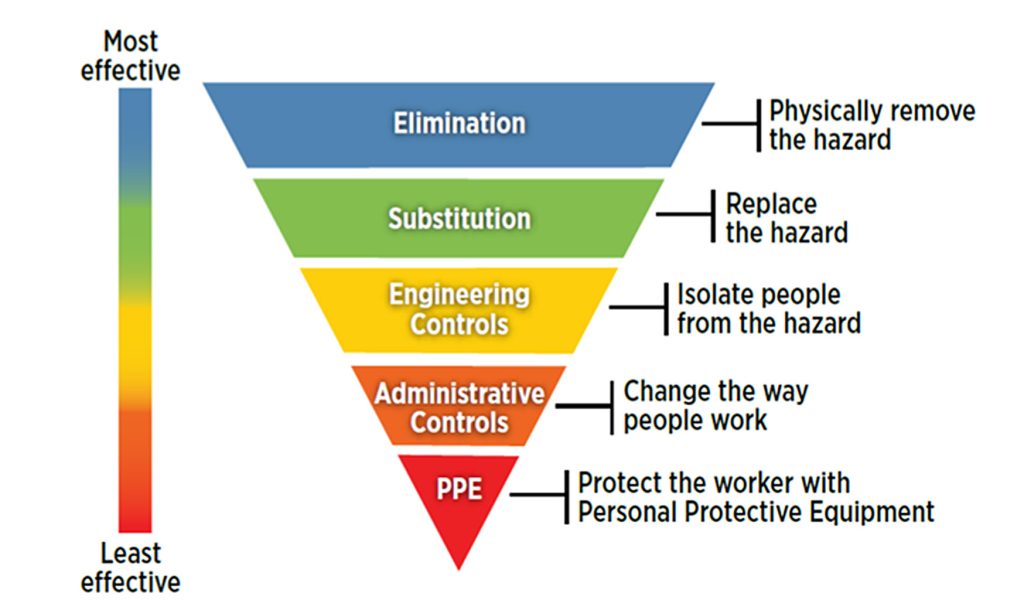
- Elimination: Physically removing the hazard.
- Substitution: Replacing the hazard.
- Engineering Controls: Isolating people from the hazard.
- Administrative Controls: Changing the way people work.
- PPE: Protecting the worker with Personal Protective Equipment.
Passive Safety-Engineered Devices are Preferred
The ACS updates stress that not all safety-engineered devices offer the same level of protection.
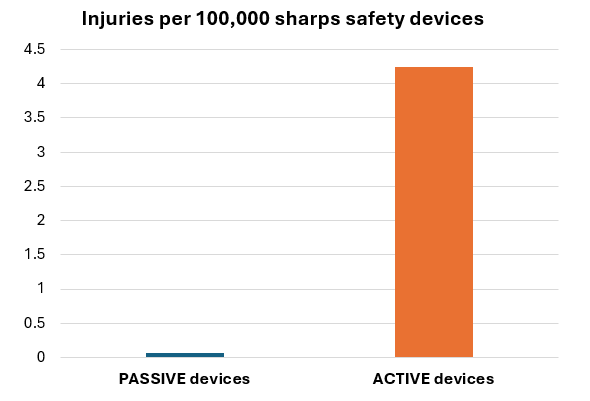
- The ACS recommends using passive (automatically activated) safety devices in preference to active (manually activated) devices.
- Because active devices are manually activated by the user, they are highly prone to human error.
- Active safety-engineered devices are 70 times more likely to cause an injury compared to their passive counterparts.
Protection of Downstream Workers
Protecting downstream workers—such as environmental services and waste management staff—is a prominent focus in the new guidelines.
- The ACS recommends the immediate containment of removed sharps to protect these workers from potential injuries.
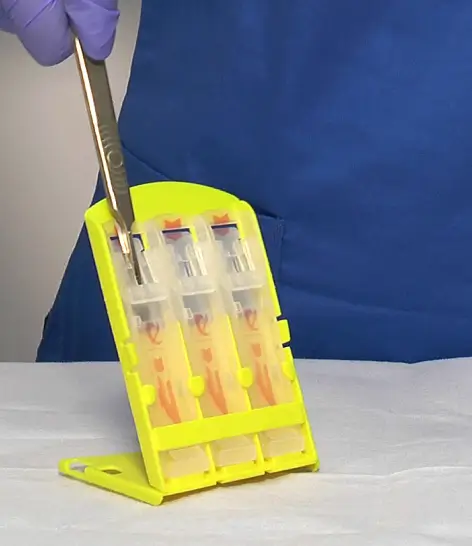
- When a surgeon chooses to use a reusable metal scalpel handle for patient safety, a single-handed scalpel blade remover should be utilized (when available) to ensure the safety of both the surgical team and downstream personnel.
Passive safety devices, like the Qlicksmart BladeCASSETTE utilises automatic safety technology for safe and efficient scalpel blade removal, containment, counting, and disposal. These sterile single-handed scalpel blade removers, offer the strongest protection when removing used scalpel blades.
Expanded Definition of Needlestick and Sharps Object Injuries
The 2026 statement expands the definition of “sharps” to explicitly include items like broken glass and glass ampoules. Ampoule injuries frequently go unnoticed, yet statistics indicate a significant problem:
- One in three nurses suffers from hand injuries due to ampoule cuts.
- Glass ampoules account for 54% of all sharps injuries to anaesthetists.
- Overall, 6% of anaesthetists have sustained a hand injury caused by ampoules. Under the new ACS definition, sharps are defined as any objects capable of penetrating a worker’s skin, including suture needles, hollow-bore needles, scalpels, capillary tubes, the exposed ends of dental wire, and broken glass ampoules.
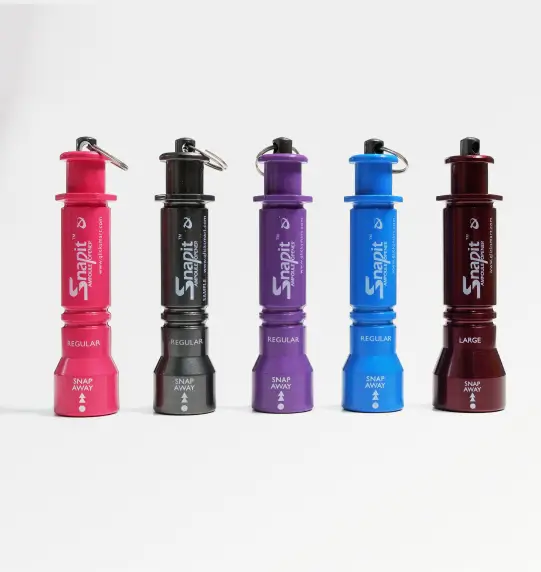
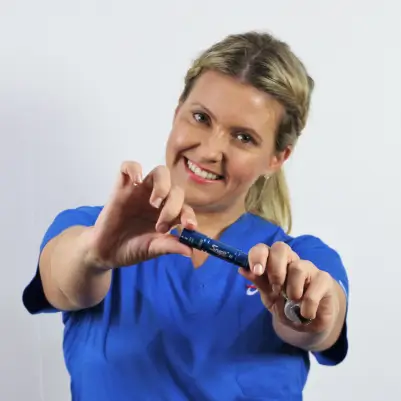
Fortunately, opening glass ampoules is safe and easy with the SnapIT Ampoule Opener. The SnapIT is a reusable ampoule opener designed to prevent painful cuts and injuries. Created by a nurse who experienced ampoule injuries firsthand, it offers a secure grip and clean snap, making ampoule opening safer and easier in any clinical setting.
Inclusion of Healthcare Students
Historically, there has been very little focus on sharps injuries sustained by medical and healthcare students.
- Research conducted by Dr. Kevin Hambridge in the UK indicates that the incidence of sharps injuries among students is much higher than previously recognized.
- Data reveals that 1 in 8 nursing students has experienced a sharps injury.
- To address this, the 2026 ACS statement explicitly applies to all personnel who handle sharps, ensuring that surgical residents, interns, and medical students receive the same protections as hospital personnel.
The updated statement from ACS symbolises a positive step forward to creating a safety culture for staff and patients alike.
Read the ACS statement: https://www.facs.org/about-acs/statements/statement-on-needlestick-and-sharps-safety/