
Glass ampoules have been a staple in medicine for decades, providing a sterile, impermeable, and chemically stable vessel for injectable drugs (Carraretto et al., 2011). However, the manual act of snapping the neck of a glass ampoule poses a substantial occupational hazard to healthcare workers. Ampoule openers have emerged as a critical safety device designed to mitigate these risks. By shielding the hands and optimizing the breaking force, these simple tools drastically reduce the incidence of debilitating lacerations and secondary complications in clinical settings.

The Scope of Ampoule Injuries
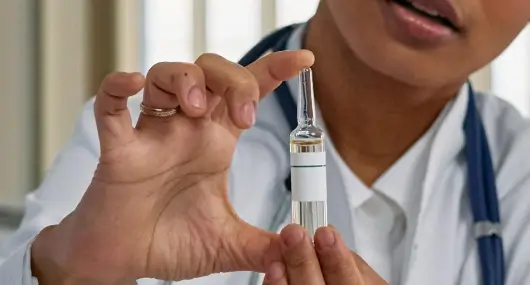
Opening a glass ampoule by hand is deceptively dangerous. When the glass neck snaps, it frequently creates sharp, jagged edges and vertical projections known as “spikes” (Carraretto et al., 2011). If the glass shatters unpredictably or the practitioner’s hand slips, these spikes can cause severe percutaneous (through the skin) injuries.
Research highlights the severity of this issue. Injuries from glass ampoules have been reported to account for up to 42% of all sharp injuries in some clinical environments (Estrella & Gavino, 2022). Furthermore, glass ampoules are responsible for approximately 26% of needle-less stick and sharps injuries, affecting both medical personnel and support staff, such as cleaners, when waste is improperly discarded (Nzaumvila et al., 2015).
The hands are particularly vulnerable; roughly 6% of anesthesiologists report sustaining hand injuries specifically from opening ampoules (Carraretto et al., 2011). While minor cuts are common, catastrophic outcomes can occur. Lacerations to the index finger can sever the flexor digitorum profundus and flexor digitorum superficialis tendons, requiring complex microsurgery and months of extensive rehabilitation (Estrella & Gavino, 2022).
Compounding Risks: Infection and Contamination
The danger of an ampoule cut extends beyond the physical trauma of the laceration. Any breach of the skin barrier in a healthcare setting significantly elevates biological risk. These open wounds serve as direct gateways for environmental bacteria and blood-borne viruses (Carraretto et al., 2011).
Qlicksmart’s SnapIT Ampoule Opener
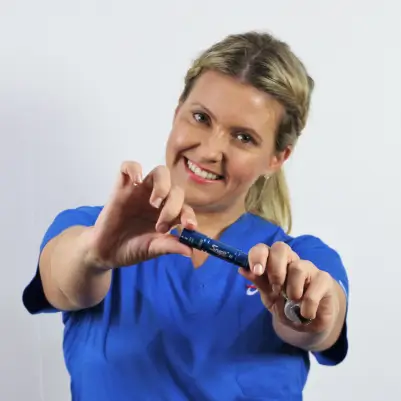
To combat these hazards, the Qlicksmart SnapIT ampoule openers have been developed. These devices function by sliding over the head and neck of the ampoule, creating a physical barrier between the user’s fingers and the glass.
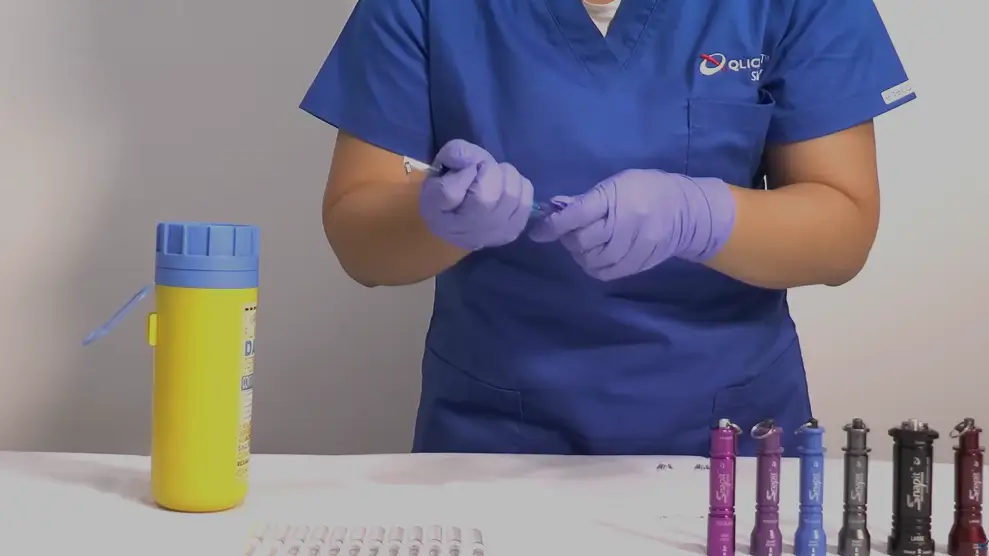
The primary advantage of the SnapIT is a significant reduction in the risk of sharps injuries, such as painful cuts and lacerations. By securely shielding the user’s hands and keeping them away from the breaking point of the glass, the device effectively prevents injuries caused by shattered ampoules or jagged edges. This added layer of physical protection not only creates a safer work environment but also alleviates anxiety, allowing healthcare professionals to handle glass ampoules with increased confidence.
Beyond protecting the medical practitioner, the SnapIT opener plays a crucial role in safeguarding patient health and improving clinical efficiency. The device’s design facilitates a controlled, clean break that significantly minimizes the risk of microscopic glass shards falling into and contaminating the medication. Ensuring the medication remains safe for patient administration concurrently prevents valuable medication from being wasted due to contamination. Furthermore, this quick and reliable breaking action streamlines the medication preparation process, allowing staff to work more efficiently under pressure.
To accommodate various clinical environments and personal preferences, Qlicksmart offers a versatile lineup of SnapIT models. The range includes the SnapIT Lite, which is crafted from lightweight plastic for everyday convenience, as well as highly durable, autoclavable aluminium versions designed for sterile settings. Additionally, they offer specialized trolley versions designed to prevent the opener from rolling off flat workbenches. This variety ensures that healthcare professionals can easily select the exact model that best aligns with their specific workflow and safety requirements.
More and more ampoule users are using the Qlicksmart SnapiT Ampoule Openers. These safety-engineered ampoule openers offer complete protection against ampoule injury. For enquiries, please email us at hello@qlicksmart.com.
References
Carraretto, A. R., Curi, E. F., de Almeida, C. E. D., & Abatti, R. E. M. (2011). Glass Ampoules: Risks and Benefits. Brazilian Journal of Anesthesiology, 61, 513–521. https://doi.org/10.1016/s0034-7094(11)70059-9
Chiannilkulchai, N., & Kejkornkaew, S. (2021). Safety concerns with glass particle contamination: improving the standard guidelines for preparing medication injections. International Journal for Quality in Health Care, 33. https://doi.org/10.1093/intqhc/mzab091
Estrella, E. P., & Gavino, S. O. J. (2022). Flexor tendon laceration of the hand from opening a glass ampoule. BMJ Case Reports, 15, e250439. https://doi.org/10.1136/bcr-2022-250439
Nzaumvila, D., Govender, I., & Kramer, E. B. (2015). Glass injuries seen in the emergency department of a South African district hospital. African Journal of Primary Health Care & Family Medicine, 7. https://doi.org/10.4102/phcfm.v7i1.886