
More Than Just a Cut: How Scalpel Injuries Can Derail a Clinician’s Career
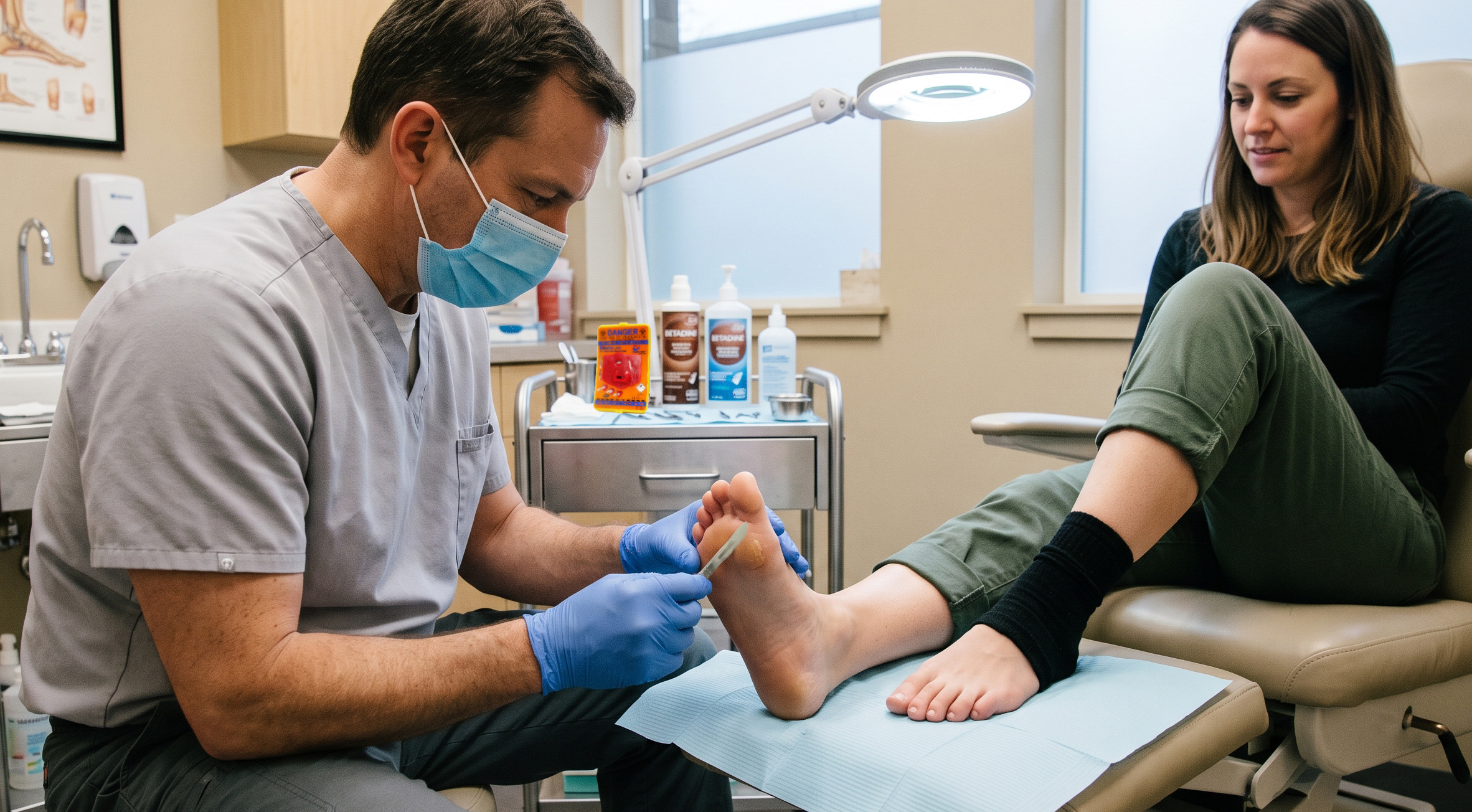
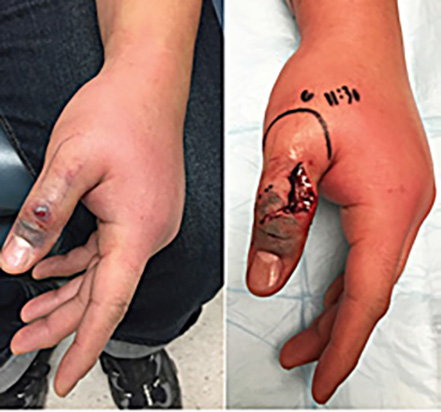
While hazards are present in every workplace, workers in healthcare are reported as having one of the highest rates of work-related injuries. Sharps injuries remain one of most common and dangerous injuries that face health care workers. In the USA alone, the Center for Disease Control (CDC) reports that 385,000 sharps injuries occur to hospital-based health care workers each year. With 50% of sharps injuries still being unreported, the actual number of sharps injuries in healthcare facilities are significantly higher.
Sharps Safety Regulations and Guidelines
Occupational Safety and Health Administration (OSHA) Guidelines
To address these occupational injuries, regulations have been mandated by OSHA under The Bloodborne Pathogens Standard (29 CFR § 1910.1030). This guideline aims to help facilities using scalpels make sure that they are up-to-date with their OSHA compliance, and keeping staff safe.
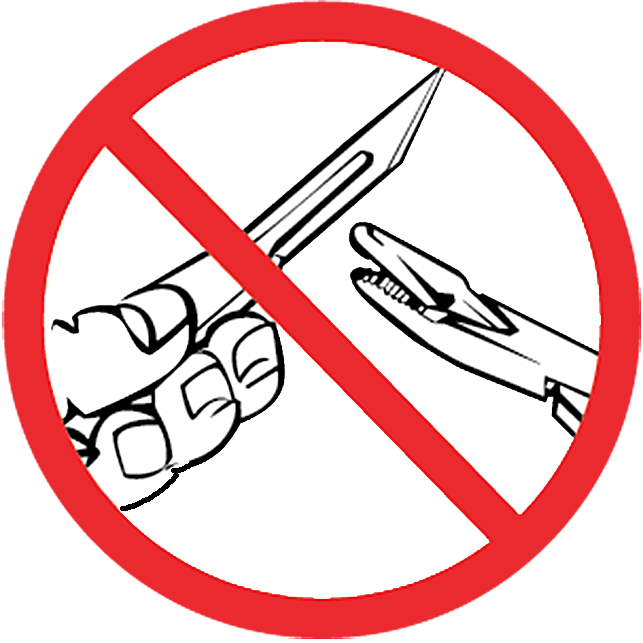
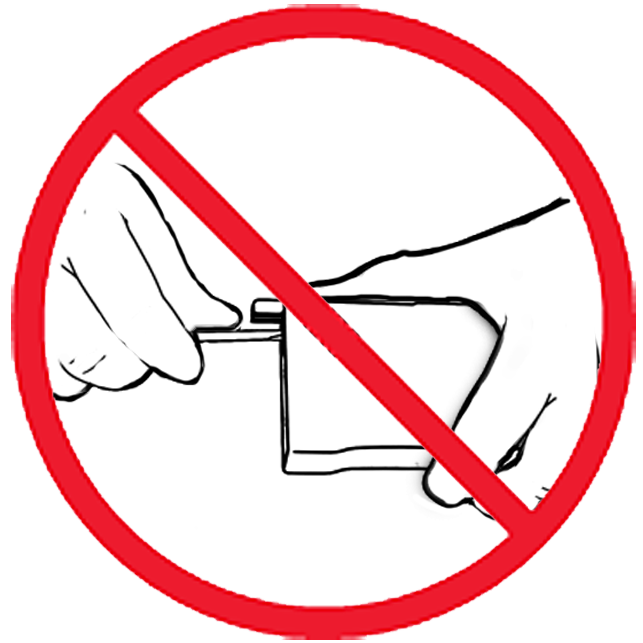
In February 2023, OSHA published a Standards Interpretation letter to clarify engineering controls in regards to scalpel blade removal. This update states that when using standard scalpels with a reusable handle and disposable blades, the use of forceps, needle holders, and re-sheathing two-handed devices to remove the scalpel blades are not considered engineering control.
 |
 |
 |
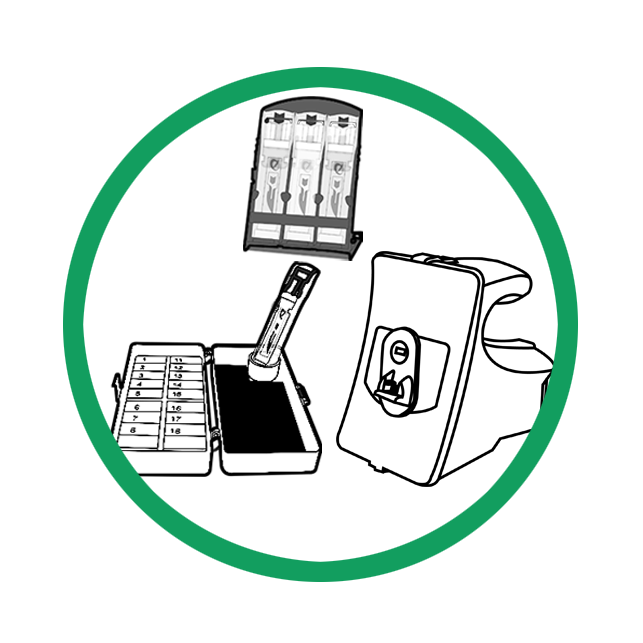 |
| No Hands | No Instruments | No Two-Handed Devices | Use Single-Handed Devices |
OSHA further states: “when the use of a scalpel with a reusable handle is required… the blade removal must be accomplished through the use of a mechanical device or a one-handed technique, such as a single-handed scalpel blade removal device.”
Preventing Sharps Injuries When Removing Scalpel Blades
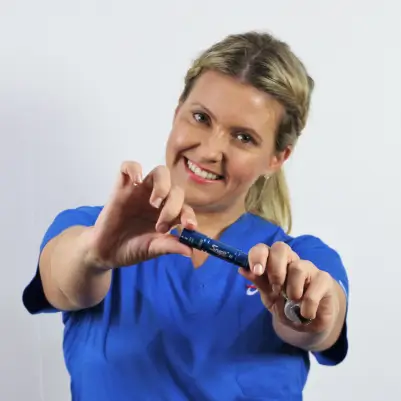
A good way to implement engineering controls to help reduce the risks of sharps injuries is to use the Qlicksmart’s range of safety-engineered scalpel blade removers. These eliminate the dangers of removing scalpel blades with the safe removal and containment of used blades.
Qlicksmart’s multi-use scalpel blade removers are designed to remove up to 100 used scalpel blades. These safety-engineered devices are optimised for the healthcare industry. With their one-handed operation, they make removing scalpel blades quick and safe.
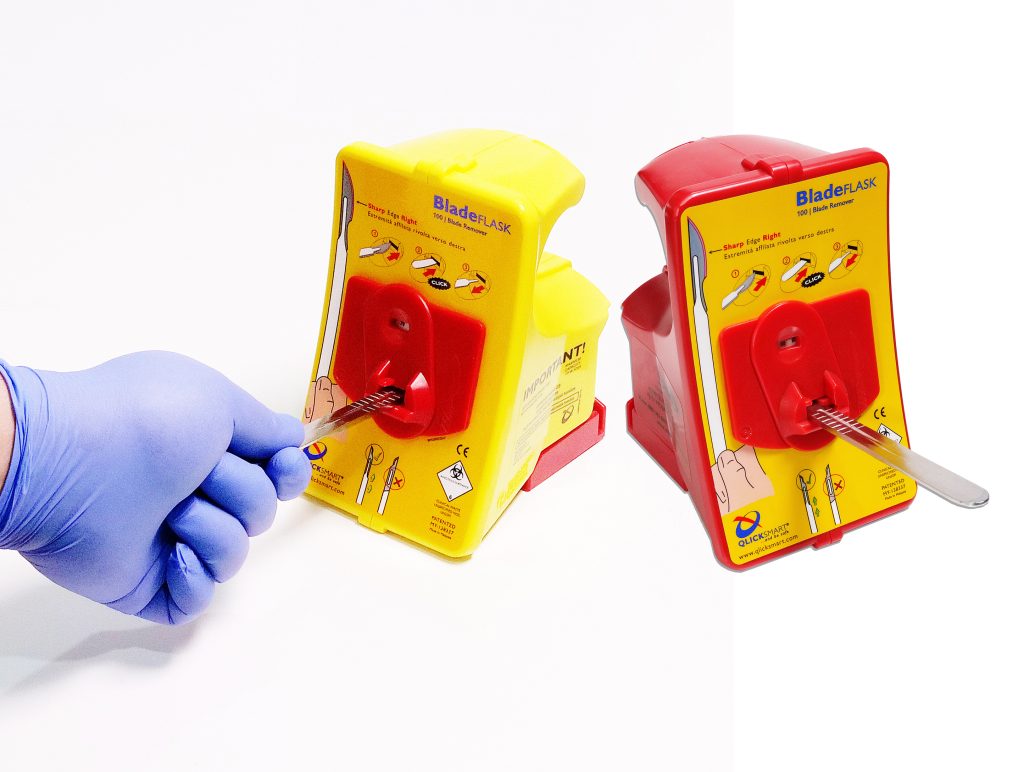
Qlicksmart’s BladeFLASK is the world’s pioneering single-handed scalpel blade remover. It enables healthcare professionals to quickly and safely remove up to 100 scalpel blades. Features of the BladeFLASK:
-
- OSHA compliant with single-handed activation when used with the reusable Mounting Bracket (Sold Separately)
- Audible “QLICK™” sound signifies safe scalpel blade removal and containment
- Built-in counter with automatic shutoff when maximum capacity is reached
- Mount on a wall, bench, or cart with the Qlicksmart universal Mounting Bracket (product code QBRGEN)
- Compatible with most brands of general surgery blades and flat BP handles
The Qlicksmart BladeFLASK is a quick and simple device to remove and contain used scalpel blades. Easily implemented, these sharps safety devices work within your standard operating procedures:
With little to no training required, Qlicksmart’s single handed blade removers are proven to reliably reduce the risk of scalpel cuts and injuries.
Scalpel Safety: A Case for Investment
By implementing a comprehensive sharps safety program and the use of safety-engineered devices, healthcare organizations can significantly reduce scalpel injuries. Designed to meet strict OSHA standards, these solutions ensure the safe handling and disposal of scalpel blades. Contact us now at hello@qlicksmart.com to start using Qlicksmart safety devices in your facility.
References:
- Johnson, M D et al. “Autopsy risk and acquisition of human immunodeficiency virus infection: a case report and reappraisal.” Archives of pathology & laboratory medicine vol. 121,1 (1997): 64-6. (https://pubmed.ncbi.nlm.nih.gov/9111095/)
- Taylor, Dean C., et al. “Ulnar Nerve Transection in an Orthopaedic Surgeon Sustained During Surgery: A Case Report and Commentary.” Journal of Bone and Joint Surgery, vol. 100, no. 1, Jan. 2018, e2, doi:10.2106/JBJS.17.00226.
- Sinnott M, Shaban R, “Scalpel Safety,” not “Safety Scalpel”: A New Paradigm in Staff Safety,
Perioperative Nursing Clinics, Volume 5, Issue 1, 2010, Pages 59-67, ISSN 1556-7931, https://doi.org/10.1016/j.cpen.2009.11.001.
(https://www.sciencedirect.com/science/article/pii/S1556793109000898) - Adams D, Elliott T, “Safety-engineered needle devices: evaluation prior to introduction is essential” Journal of Hospital Infection, 2011; 79, 174-175 (https://www.journalofhospitalinfection.com/article/S0195-6701(11)00262-3/abstract)